
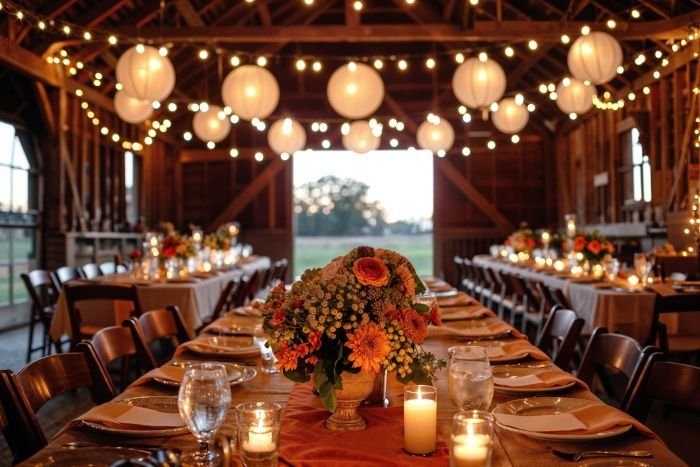
Key Takeaways
Choose a memorable theme that reflects the event’s purpose and matches guests’ interests to create a more engaging experience.
Establish a realistic budget by accounting for major expenses, hidden costs, and unexpected charges.
Select a suitable venue based on guest capacity, accessibility, amenities, and the overall atmosphere you want to create.
Create a detailed timeline and checklist to organize event logistics, coordinate vendors, and prevent last-minute issues.
Maintain clear communication with vendors and prepare backup plans to ensure a smooth and successful event.
1. Create a Memorable Theme That Matches Your Event
Choose a Theme That Captivates Your Guests
One of the first steps in planning a successful private event is choosing a theme that reflects its purpose and creates a memorable experience. Whether you’re organizing a birthday celebration, anniversary, family gathering, or corporate party, a well-planned theme helps establish the mood and gives the event a cohesive identity.
For those interested in planning a private event, selecting a theme that complements the occasion can make the entire experience more engaging. For example, a masquerade ball can create an atmosphere of elegance and mystery, while a vintage carnival theme can bring energy and excitement to a casual celebration.
Consider incorporating personal touches that reflect the host’s personality or the interests of the guests. Customized decorations, themed invitations, coordinated dress codes, and personalized activities can make the occasion feel more meaningful.
To choose an effective theme:
- Consider the occasion: Match the theme to the event’s purpose, whether formal or casual.
- Understand your guests: Think about their interests, preferences, and expectations.
- Explore seasonal inspiration: Use holidays, seasonal colors, or outdoor settings to develop creative ideas.
- Maintain consistency: Ensure decorations, entertainment, food, and invitations complement the chosen theme.
Align the Theme With Guest Expectations
A successful theme should appeal to the people attending the event. Understanding what guests enjoy can help you create an atmosphere that encourages participation and makes everyone feel comfortable.
For example, a group that enjoys interactive activities may appreciate a DIY craft night or a themed game evening. Meanwhile, a formal anniversary celebration might benefit from elegant table settings, sophisticated lighting, and a black-tie dress code.
By considering guest preferences early in the planning process, you can create an event that feels personal rather than generic.
2. Set a Realistic Budget and Prioritize Expenses
Identify All Potential Event Costs
Budgeting is one of the most important aspects of organizing a private event. Expenses often extend beyond the venue, catering, and entertainment. Additional costs may include decorations, equipment rentals, transportation, service fees, overtime charges, and post-event cleanup.
Creating a detailed budget from the beginning helps you understand how much you can spend and where your money will have the greatest impact. It also reduces the risk of unexpected expenses disrupting your plans.
Consider setting aside approximately 10–15% of your total budget as a contingency fund. This reserve can help cover unforeseen costs, last-minute changes, or additional services that become necessary during the planning process.
To manage your budget effectively:
- List every expected expense: Include venue fees, catering, entertainment, decorations, and staffing.
- Account for additional charges: Check taxes, gratuities, overtime rates, and cleanup fees.
- Compare vendor quotations: Request several estimates before making commitments.
- Track payments and deadlines: Record deposits, balances, and cancellation policies.
- Keep a contingency fund: Reserve money for unexpected expenses.
Decide Where to Spend and Where to Save
Not every aspect of an event requires the same level of investment. The key is to identify which elements will contribute most to the guest experience.
For instance, quality food and attentive service may leave a stronger impression than expensive decorations. Meanwhile, creative lighting, a carefully selected playlist, and personalized details can create an inviting atmosphere without significantly increasing costs.
When allocating your budget, consider these priorities:
- Invest in guest experiences: Prioritize catering, comfortable seating, and engaging entertainment.
- Choose practical decorations: Use versatile design elements that complement your theme without exceeding your budget.
- Use technology strategically: Determine whether professional audiovisual equipment is necessary for your event.
- Avoid unnecessary expenses: Focus on details that support the event’s purpose rather than spending on every available upgrade.
A balanced budget allows you to create a memorable celebration while keeping your finances under control.
3. Select the Right Venue for Your Private Event
Evaluate Venue Capacity, Amenities, and Atmosphere
The venue influences nearly every part of an event, from the decorations and seating arrangement to the comfort and overall experience of the guests. Choosing the right location requires more than finding an attractive space; it also involves evaluating whether the venue meets your practical needs.
Start by estimating the number of attendees. The venue should provide enough room for guests to move comfortably, participate in activities, and enjoy the event without feeling crowded.
Next, determine whether the location offers essential amenities such as tables, chairs, audiovisual equipment, restrooms, parking, and catering facilities. Choosing a venue with the necessary features can reduce additional rental costs and simplify event coordination.
Important factors to consider include:
- Guest capacity: Make sure the space accommodates your expected attendance.
- Ambiance: Choose a setting that complements your event theme and desired atmosphere.
- Accessibility: Consider parking, public transportation, and access for guests with mobility needs.
- Available amenities: Check whether equipment, furniture, and other essential facilities are included.
- Weather considerations: For outdoor events, prepare an alternative arrangement in case of rain or extreme weather.
Consider Location and Guest Convenience
The venue’s location can influence attendance and guest satisfaction. A convenient location makes it easier for attendees to arrive on time and enjoy the celebration without unnecessary travel difficulties.
Before finalizing a venue, consider where your guests will be traveling from and whether accommodations are available nearby. For events involving visitors from other cities, proximity to hotels and transportation options can be particularly helpful.
It’s also wise to visit the venue in person before making a final decision. A site visit allows you to assess the layout, lighting, cleanliness, facilities, and suitability of the space for your planned activities.
Selecting a venue that balances atmosphere, convenience, and practicality creates a strong foundation for a successful private event.
4. Organize Event Logistics With a Detailed Plan
Create a Checklist and Event Timeline
Even a well-designed event can encounter problems without proper coordination. Developing a detailed checklist and timeline helps ensure that essential tasks are completed on schedule and that everyone understands their responsibilities.
Begin by listing the major stages of the planning process, including booking the venue, confirming vendors, sending invitations, arranging decorations, and finalizing the event program.
Assign deadlines to each task and identify which responsibilities need to be completed first. For example, confirming the venue early makes it easier to arrange catering, entertainment, and other services.
Your event checklist should include:
- Venue preparation: Confirm the floor plan, seating arrangement, decorations, and equipment.
- Vendor scheduling: Establish arrival times, setup requirements, and service schedules.
- Guest management: Track invitations, attendance confirmations, dietary restrictions, and special requests.
- Staff responsibilities: Assign clear roles for registration, coordination, and guest assistance.
- Event-day schedule: Create a timeline covering setup, guest arrival, activities, meals, and cleanup.
- Backup arrangements: Prepare alternatives for equipment failures, weather changes, or vendor delays.
Review the checklist regularly as the event approaches. Keeping everything organized reduces confusion and allows you to address potential issues before they affect the celebration.
Prepare for Last-Minute Changes
Unexpected changes are common during event preparation. A supplier may arrive late, a guest count may increase, or technical equipment may stop working. Preparing for these possibilities can help you respond calmly and efficiently.
Keep important contact information readily available and confirm arrangements with vendors several days before the event. If the occasion involves presentations, speeches, or audiovisual entertainment, test the equipment in advance.
You should also designate someone to oversee event-day operations. Having a reliable point of contact makes it easier to resolve concerns without distracting the host from enjoying the occasion.
5. Coordinate Vendors and Maintain Clear Communication
Build Strong Relationships With Event Vendors
Vendors play a significant role in bringing your event plans to life. Caterers, decorators, entertainers, photographers, and equipment providers must understand your expectations and coordinate their services effectively.
When selecting vendors, review their experience, service packages, availability, and previous work. Request written quotations and agreements that clearly outline the services included, payment terms, cancellation policies, and other important conditions.
Once you’ve selected your vendors, communicate your event requirements as clearly as possible. Share the theme, schedule, venue details, setup instructions, and any special requests that may affect their work.
Effective vendor coordination involves:
- Confirming expectations: Make sure every vendor understands their responsibilities and deadlines.
- Maintaining regular communication: Provide updates when event details change.
- Scheduling a final review: Confirm arrangements, arrival times, and equipment requirements before the event.
- Documenting agreements: Keep contracts, receipts, and important instructions organized.
- Building professional relationships: Treat vendors respectfully and address concerns promptly.
Keep Everyone Aligned on Event Day
Clear communication becomes even more important on the day of the event. Establish a central contact person who can coordinate vendors, monitor the schedule, and handle unexpected issues.
A brief pre-event meeting can help everyone understand the sequence of activities and identify possible challenges. Make sure vendors know where to unload equipment, where to set up, and whom to contact if assistance is needed.
After the event, consider requesting feedback from vendors and guests. Their insights can help you identify successful elements and areas for improvement when organizing future celebrations.
By combining careful preparation, reliable communication, and practical backup plans, you can create a more organized and enjoyable private event.
FAQ
What Are the Most Important Steps in Planning a Private Event?
The most important steps include defining the event’s purpose, selecting a suitable theme, setting a realistic budget, choosing a venue, coordinating vendors, and preparing a detailed timeline. Organizing these elements early helps prevent common problems and keeps the planning process manageable.
How Far in Advance Should I Plan a Private Event?
The ideal planning period depends on the event’s size, complexity, and venue availability. Small gatherings may require only a few weeks, while larger celebrations may need several months of preparation. Booking popular venues and vendors early can give you more options and help you avoid scheduling conflicts.
How Can I Stay Within My Event Budget?
Start by identifying your total spending limit and listing all anticipated expenses. Compare vendor quotations, account for additional fees, and reserve approximately 10–15% of the budget for unexpected costs. Regularly tracking payments and adjusting lower-priority expenses can also help you stay within your financial limits.
How Do I Choose the Best Venue for a Private Event?
Consider guest capacity, location, accessibility, available amenities, parking, and the venue’s overall atmosphere. Your chosen space should accommodate the planned activities while providing a comfortable environment for attendees. Visiting the venue before booking can help you evaluate whether it meets your requirements.
How Can I Make My Private Event More Engaging?
Choose a theme that reflects the occasion and your guests’ interests. You can also incorporate interactive activities, personalized decorations, photo opportunities, live entertainment, or customized food and beverage options. The goal is to create opportunities for guests to participate and connect with one another.
What Should I Include in an Event Planning Checklist?
Your checklist should cover venue booking, invitations, guest confirmations, catering, decorations, vendor agreements, equipment, transportation, and the event-day schedule. Include deadlines and assigned responsibilities for each task, along with backup plans for potential disruptions.
Why Is Vendor Communication Important for Event Success?
Clear communication ensures that vendors understand their responsibilities, schedules, and service requirements. Confirming details in advance helps prevent misunderstandings, delays, and unexpected expenses. Maintaining communication throughout the planning process also makes it easier to resolve problems quickly.
Should I Hire a Professional Event Planner?
Hiring a professional event planner can be beneficial when organizing a large, complex, or time-sensitive celebration. An experienced planner can help coordinate vendors, manage the budget, develop the event timeline, and oversee day-of operations. For smaller gatherings, a well-organized checklist and clear communication may be sufficient.
Useful Resources
- Eventbrite – Event Planning Resources
- The Knot – Wedding Planning Guides
- Mediabistro – Event Management Courses
- Event Manager Blog – Insights and Trends
- Atelier – Venue Sourcing and Trends
- Event Technology Resources – Eventbrite Blog
- Cvent – Event Management Software and Resources
- Meetup – Building Event Communities

